Cognify
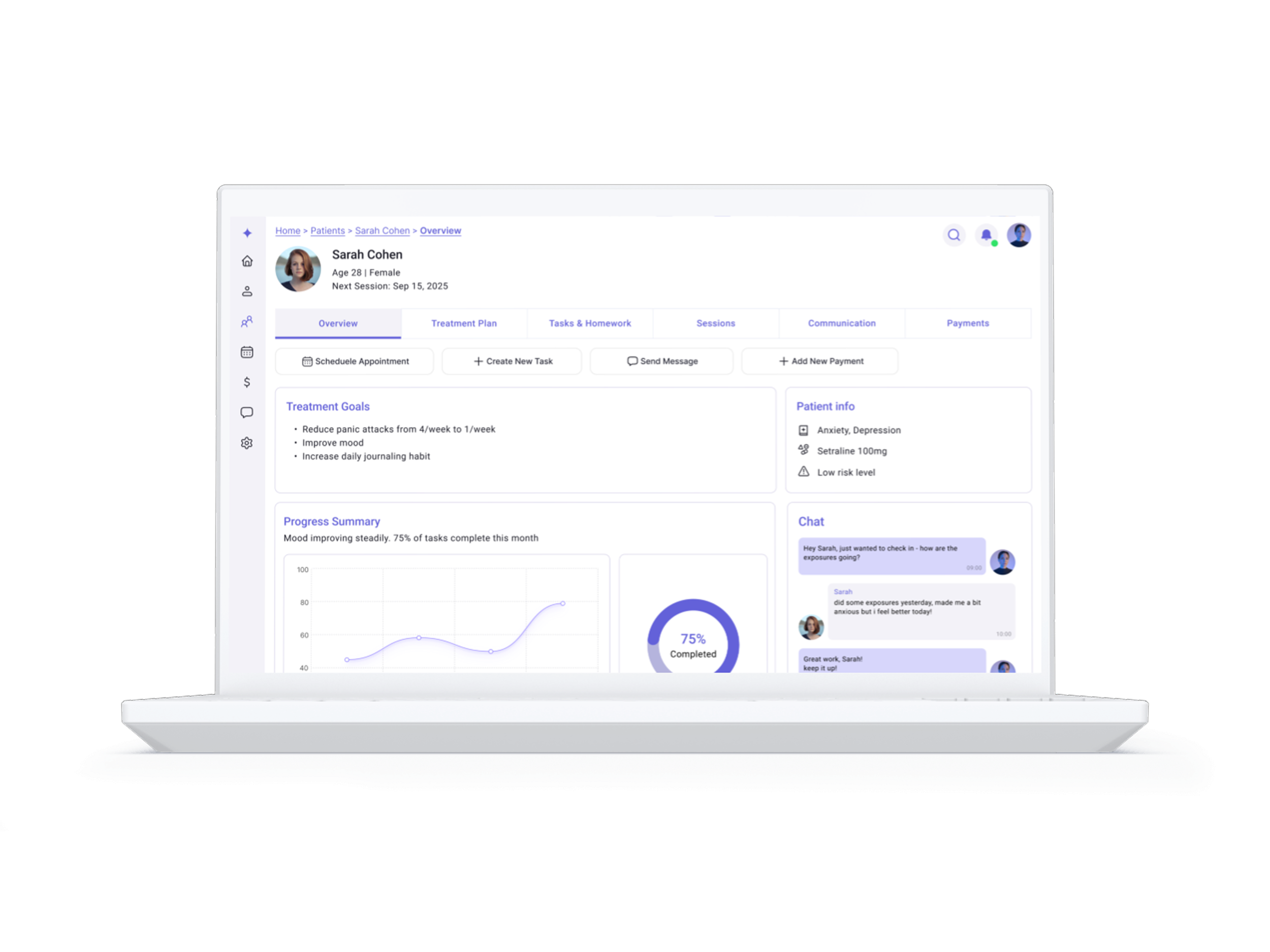
Cognify is a web platform for therapists and patients to track CBT therapy, manage exercises, and monitor progress. Completed as part of a UX/UI course, it explores complex workflows while creating a supportive, clear experience for both users.
Why this project?
Cognitive Behavioral Therapy (CBT) is a structured, goal-oriented form of therapy that helps patients identify and change unhelpful thoughts and behaviors.
As a former CBT patient myself, I noticed the challenges of keeping track of therapy exercises and progress between sessions. I chose this project to explore how a web platform could support both therapists and patients, making workflows clearer and communication easier while practicing complex UX design and research skills.
The Problem
Patients and therapists struggle to stay aligned between CBT sessions.
Patients often forget exercises or have trouble tracking progress, while therapists have limited visibility into adherence and challenges outside sessions.
This makes therapy less effective and adds friction to communication.
There is a need for a platform that simplifies tracking, supports clear communication, and provides both users with actionable insights.

Research
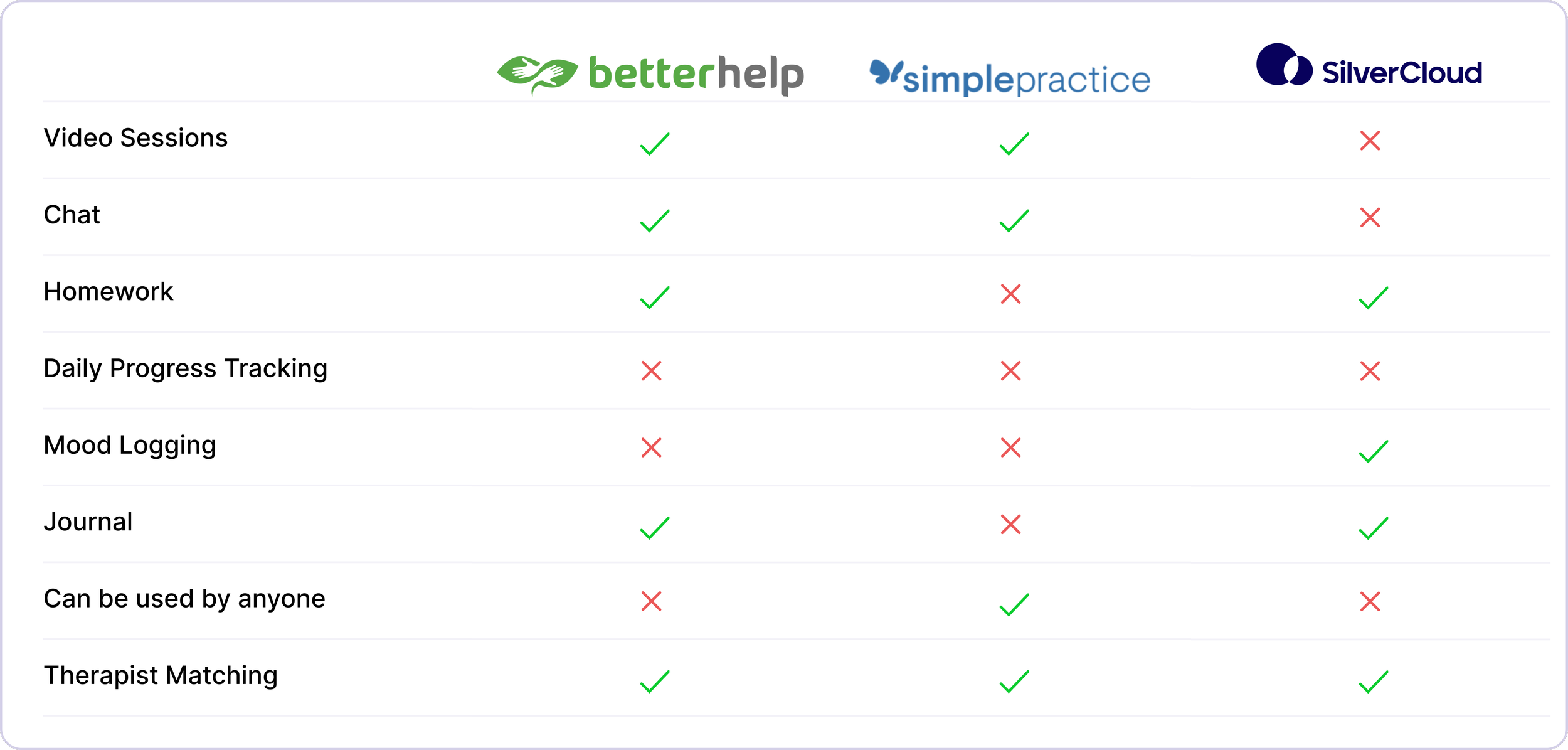
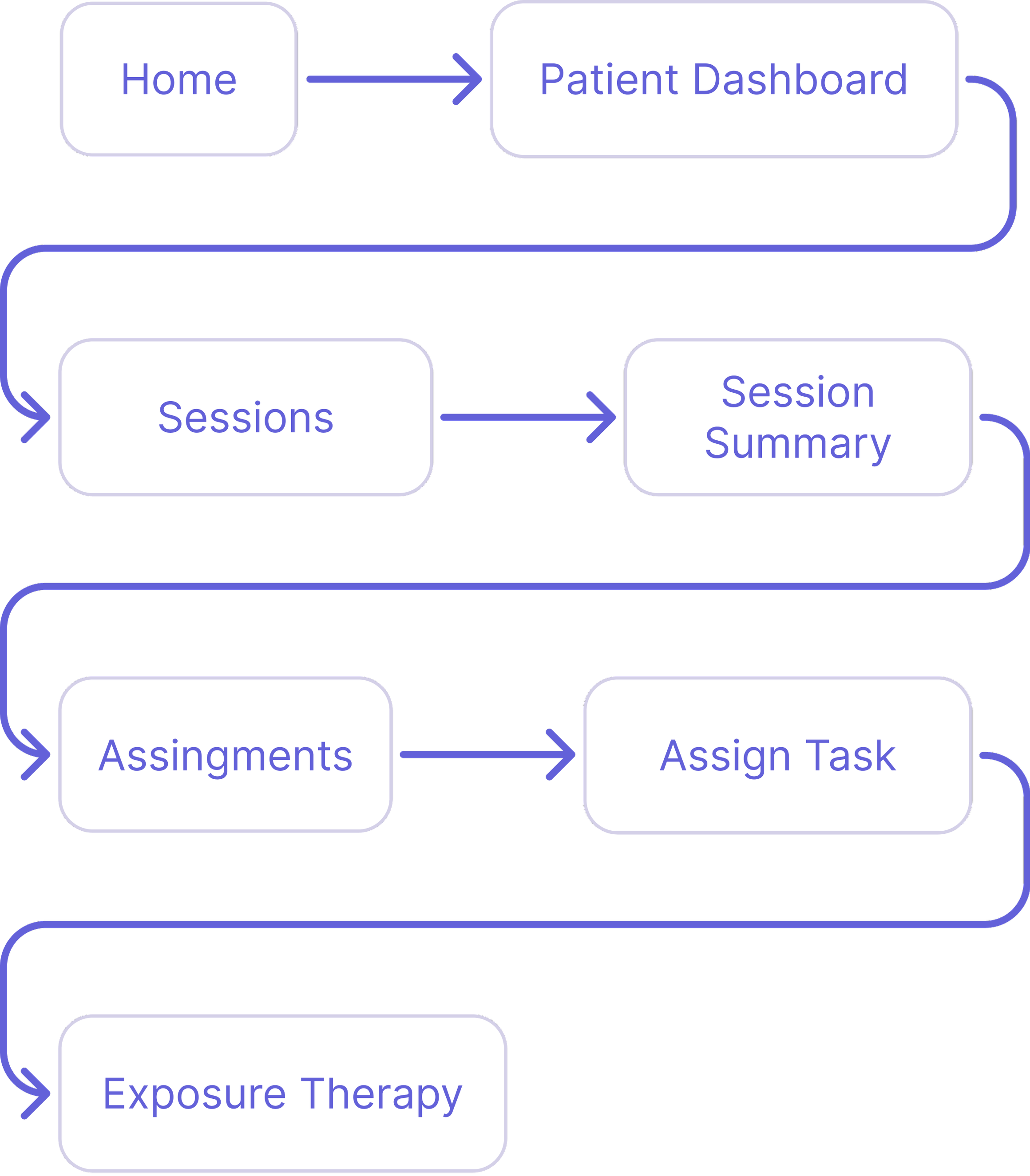
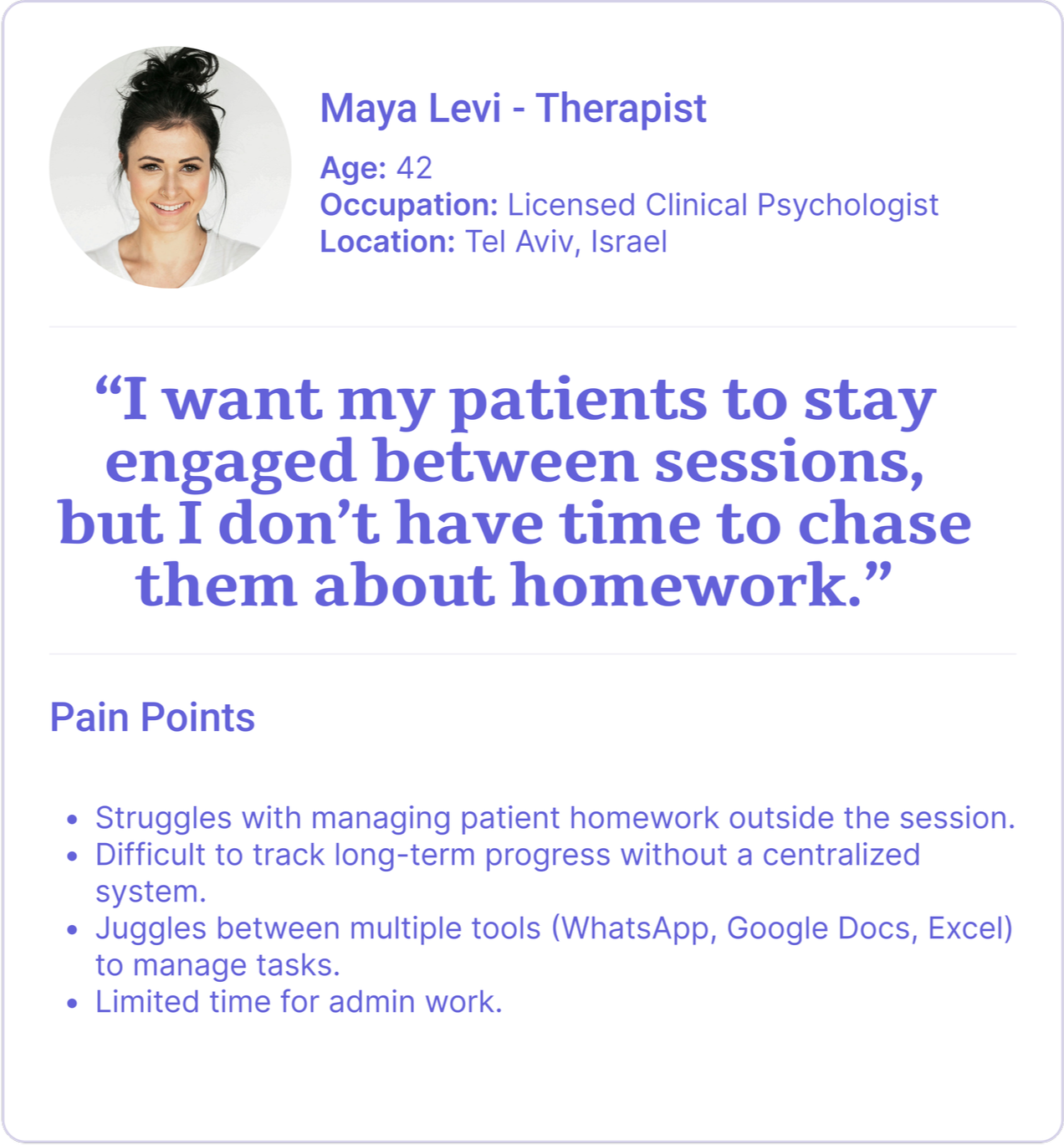
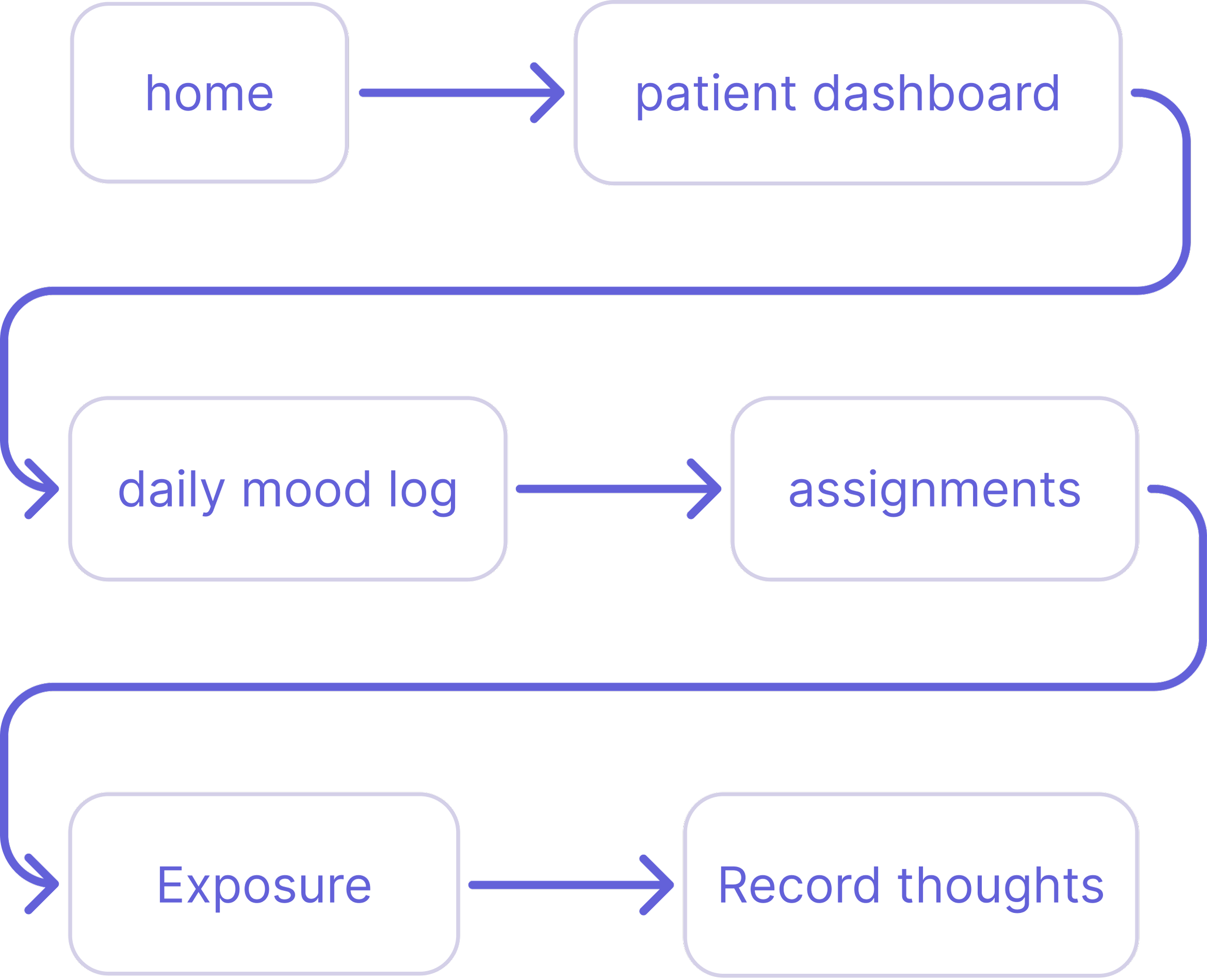
To understand how therapists and patients manage CBT outside of sessions, I conducted a competitor analysis and created personas and user flows to guide design decisions.
I looked at existing therapy platforms and tracking apps to identify strengths, weaknesses, and opportunities for improvement.
Personas & Flows
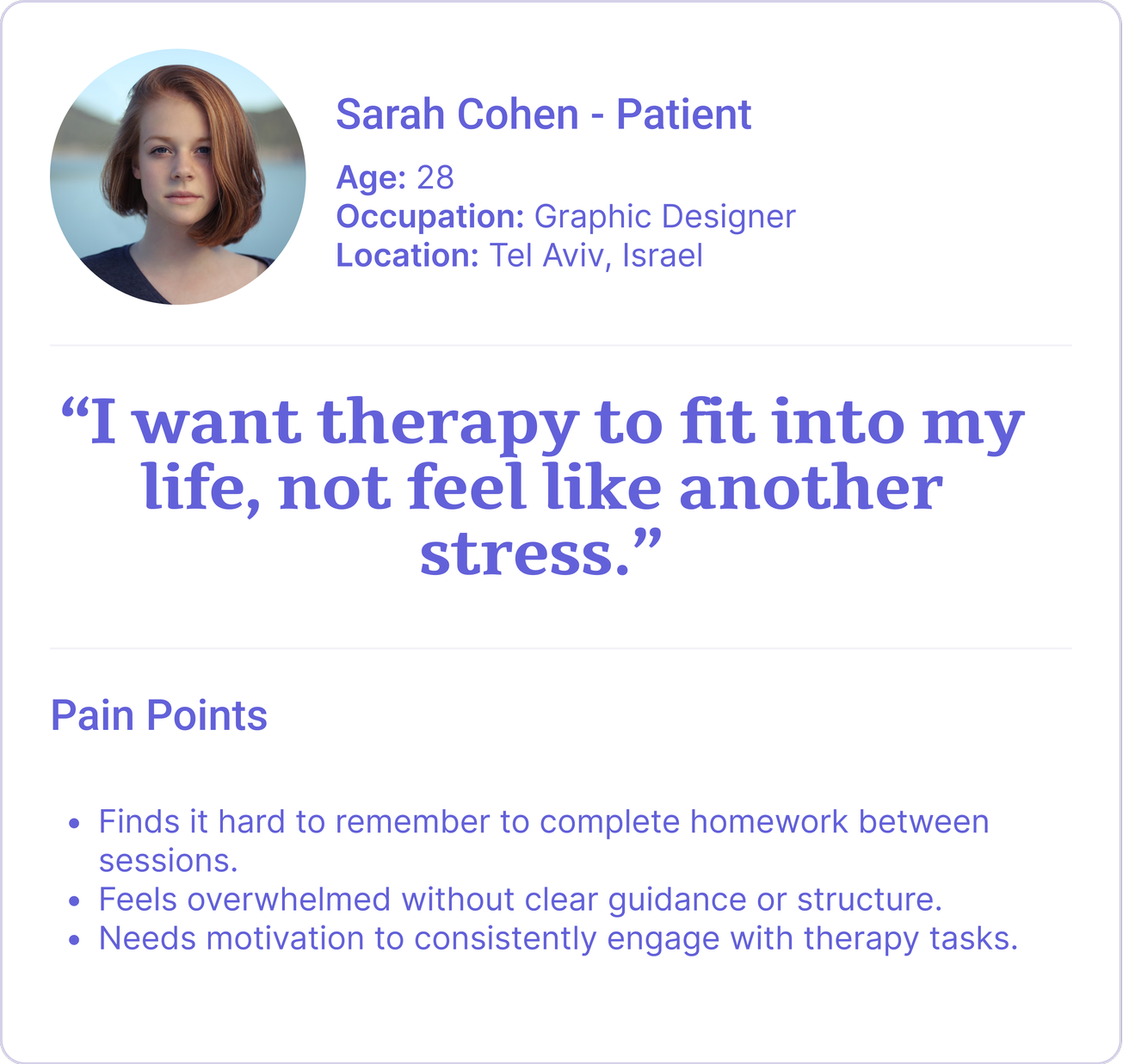
I created two personas for both therapists and patients, informed by competitor analysis, CBT research, and my own experience.
Design & Features
Based on these personas and user flows, I designed the main screens and core features of Cognify to address key pain points and support both therapists and patients effectively.
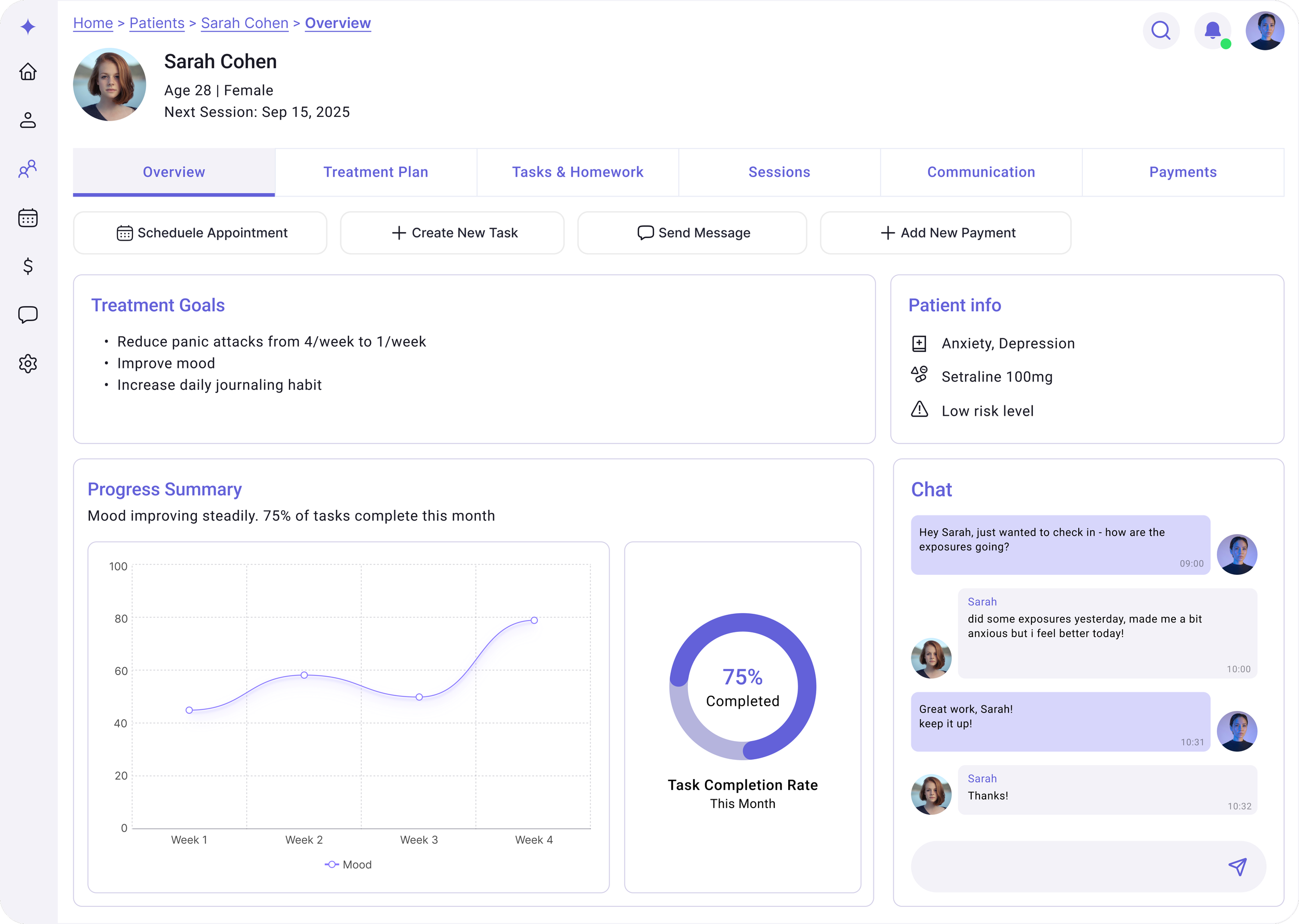
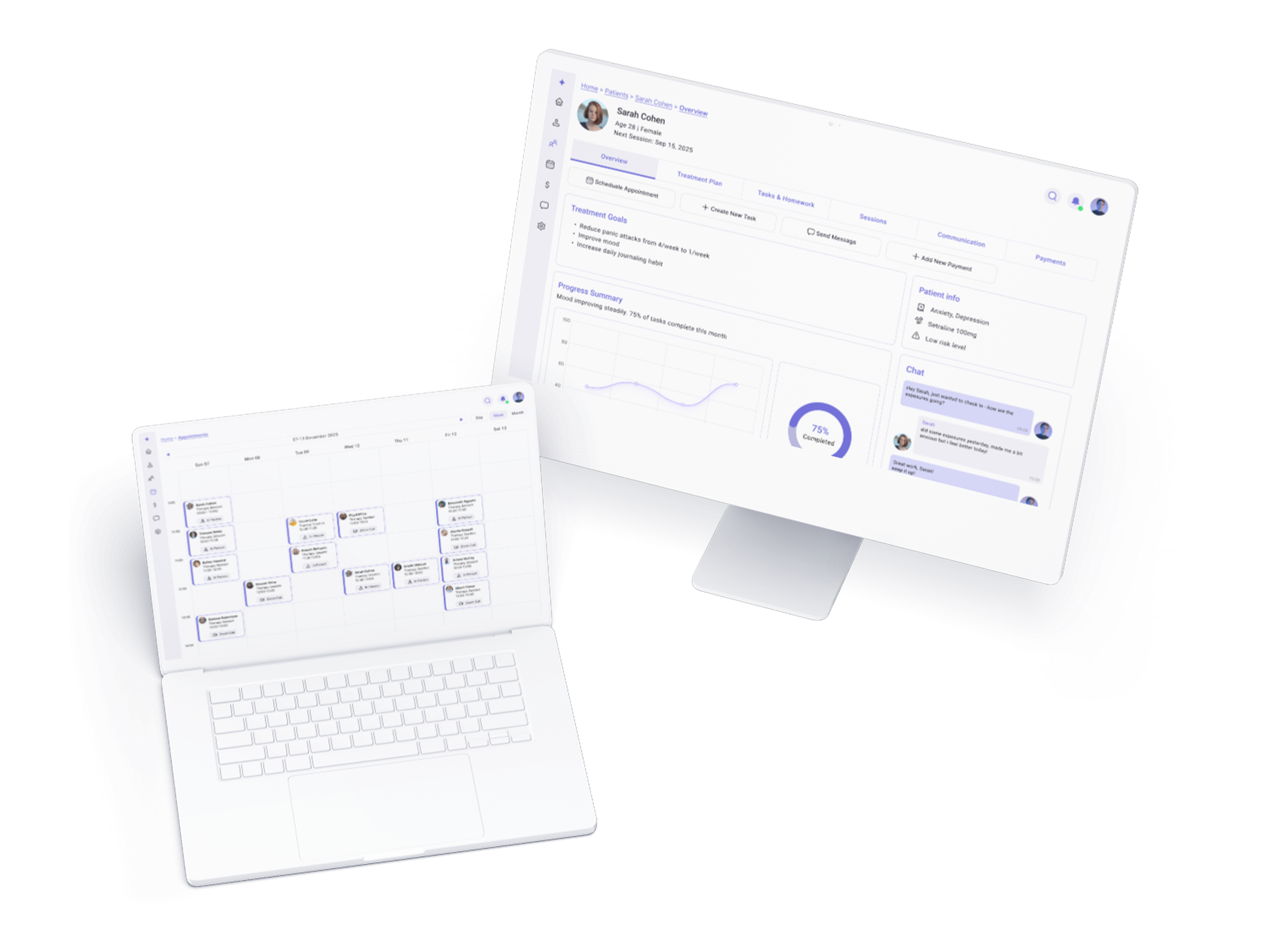
Therapist patient dashboard combining progress and engagement graphs, treatment goals, and patient information to support informed, personalized care.
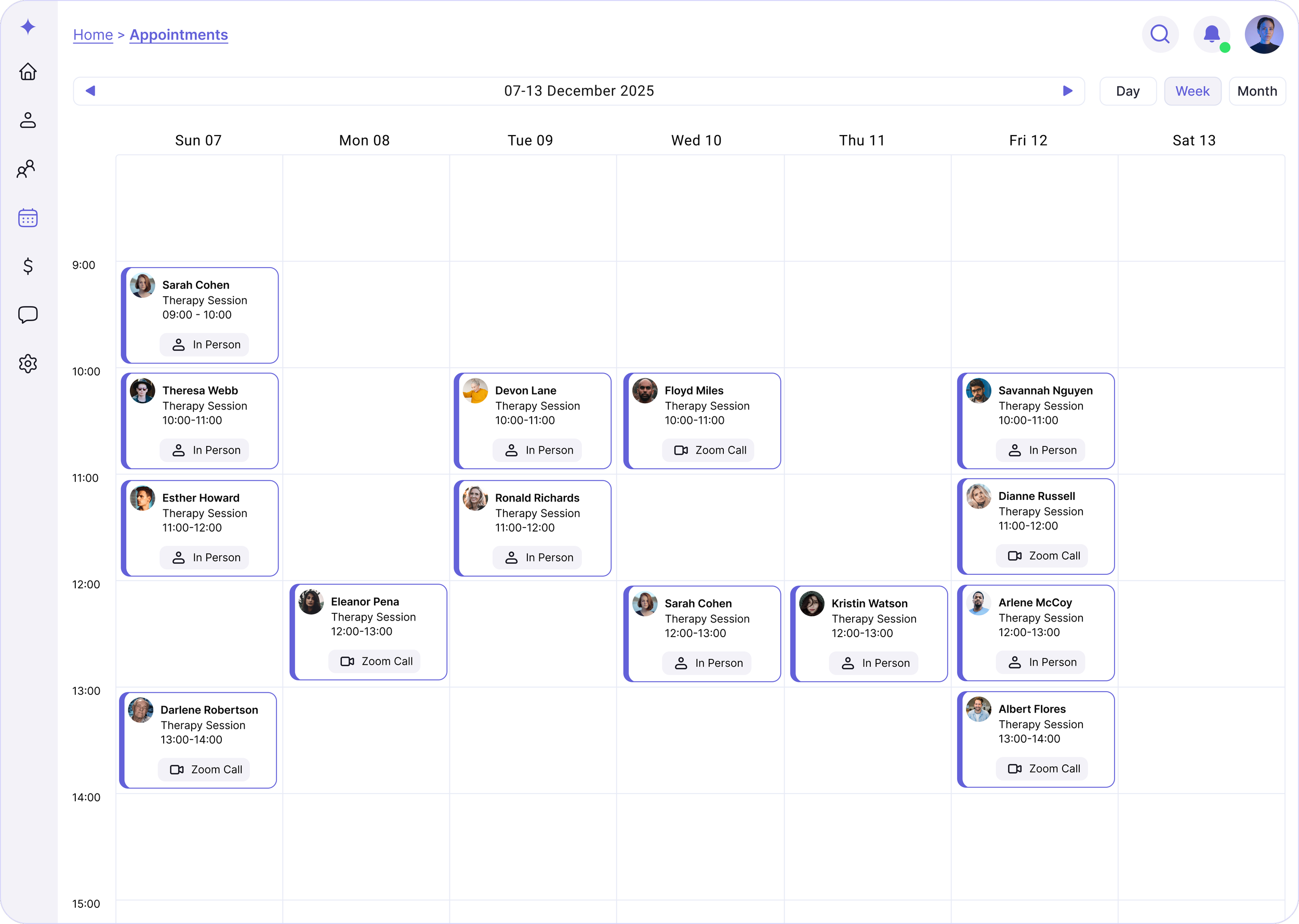
Appointments view designed to help therapists manage their schedule efficiently, with clear visibility into upcoming sessions and patient details.
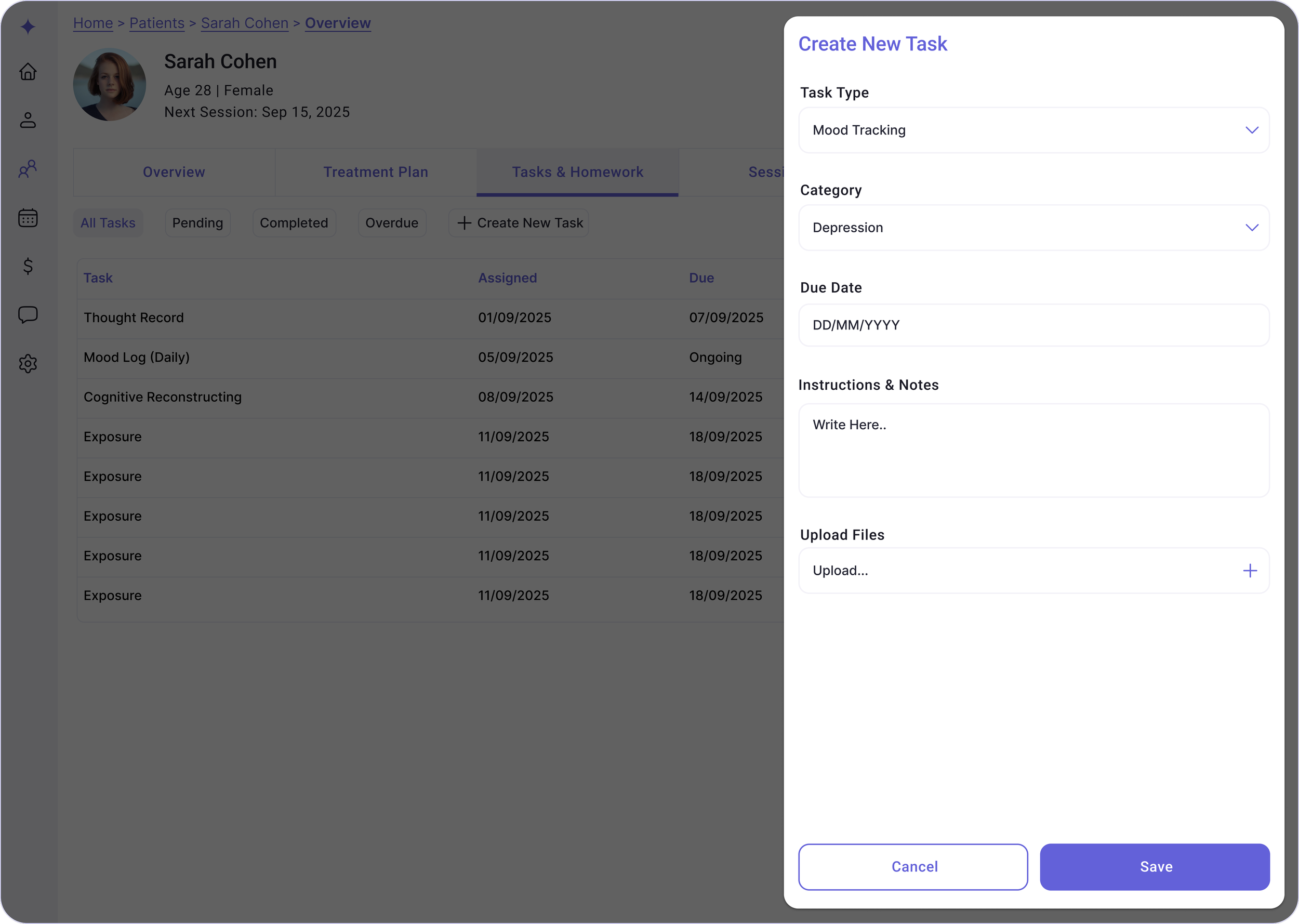
Slide-in side panel allowing therapists to quickly create and assign tasks without disrupting their workflow.
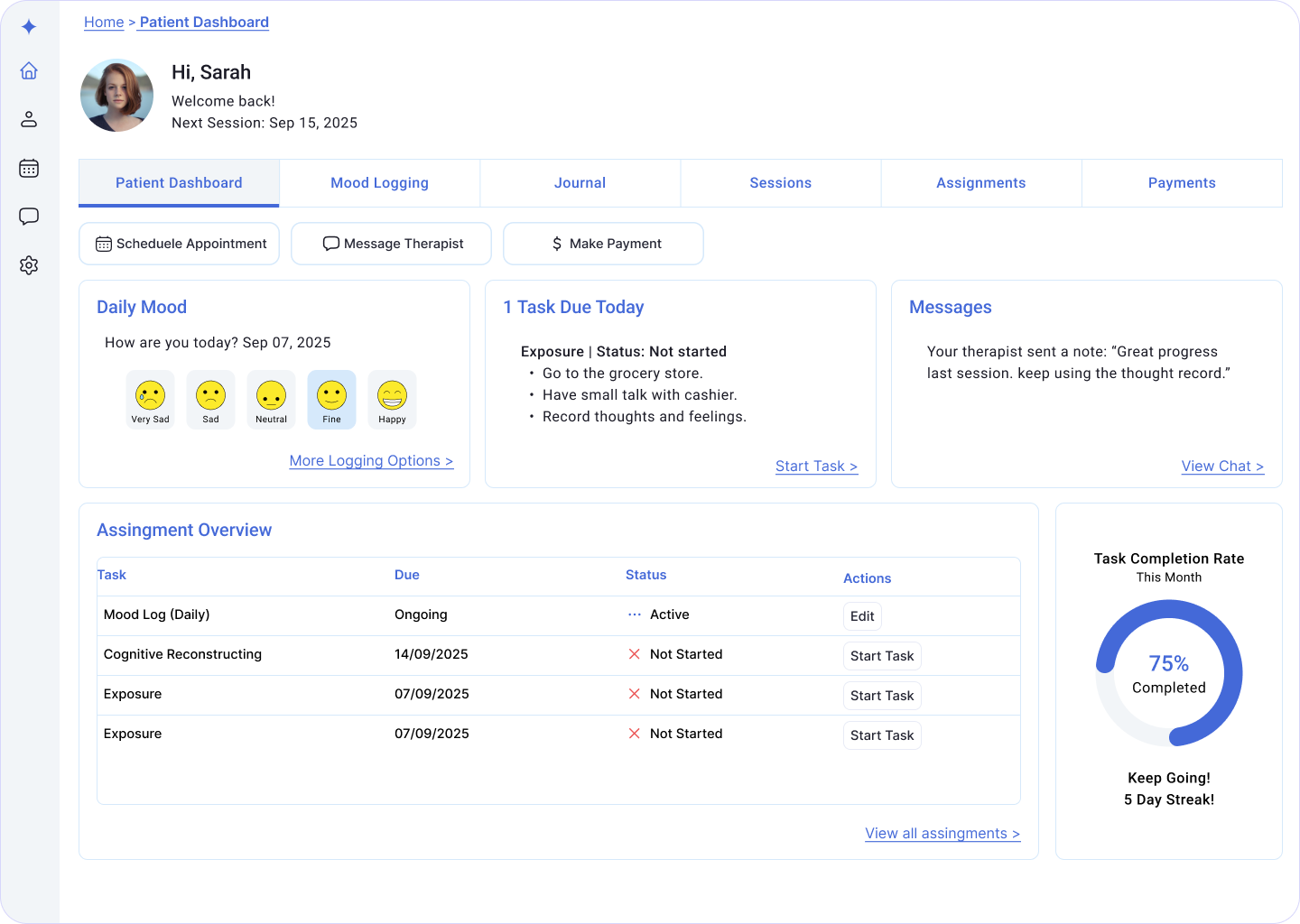
Patient dashboard designed to help users track progress, view assigned tasks, and stay engaged in therapy through a calmer, more supportive visual language.
What Next?
With more time, I would conduct testing with therapists and patients to refine workflows and interactions. I would also further explore accessibility, privacy considerations, and long-term progress tracking to ensure the platform supports therapy responsibly.
Working on Cognify deepened my understanding of designing for sensitive, complex domains and reinforced the importance of empathy and clarity in UX decisions.